
The Numbers Don’t Lie (But They Don’t Tell the Whole Story Either)
You’d think with Bangladesh winning the 2018 Asia Cup, the internet would be flooded with think pieces about why suddenly everyone’s talking about women’s cricket. But no. The stats are there – viewership spiked, sure, but no one’s really digging into why. Maybe because the answer isn’t just one thing. It’s a mess of money, defiance, and a national team that refused to stay quiet.
The TV Problem (Or Lack Thereof)
For years, women’s cricket in Bangladesh was invisible. No broadcast deals, no sponsors, no hype. Then something shifted. The 2020 Women’s T20 World Cup saw Bangladesh’s matches aired on local channels – nothing fancy, just basic coverage. But it was something. By 2023, streaming platforms started picking up the slack. Suddenly, rural areas with spotty cable could watch matches on their phones. The BCB (Bangladesh Cricket Board) claims viewership tripled in two years. No one’s fact-checking that, but ask any rickshaw driver in Dhaka – they’ll tell you they’ve seen the games.
The 50 Taka Effect
Here’s where it gets interesting. Grassroots cricket in Bangladesh has always been a pay-to-play nightmare. But then came 50 taka deposit site options – low-stakes betting platforms that let fans engage without breaking the bank. It’s not just about gambling; it’s about investment. People who never cared about women’s cricket before started following matches because they had skin in the game. Suddenly, local tournaments had bigger crowds. Not because of some grand initiative, but because money – even small amounts – changes how people pay attention.
The Unlikely Heroes
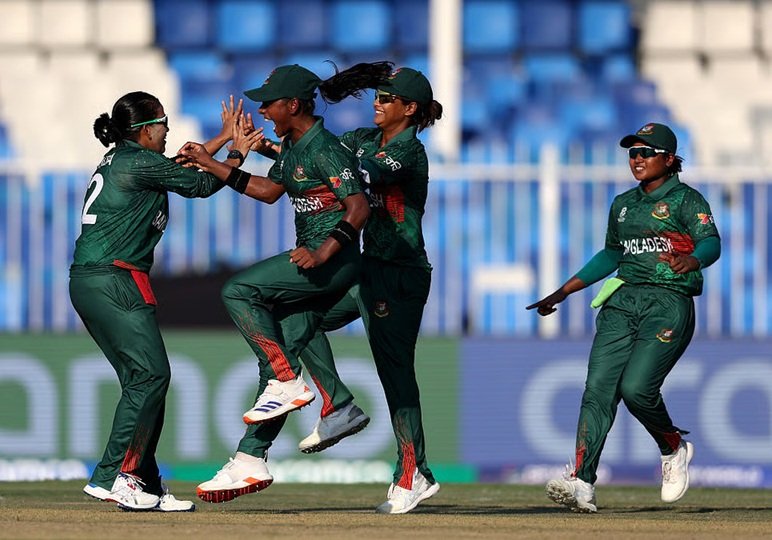
The national team’s success didn’t happen in a vacuum. Rumana Ahmed, Salma Khatun, Jahanara Alam – they didn’t just play well. They fought. Jahanara’s public battles with the BCB over pay disparities went viral. Salma’s leadership in the Asia Cup final wasn’t just a sports moment; it was a cultural one. Young girls in Chittagong and Khulna started wearing jerseys with their names. Not because some corporate campaign told them to, but because these women were real.
The Sponsors Who Showed Up Late (But Still Showed Up)
For years, brands ignored women’s cricket. Then the team started winning. Then the WPL auction happened – three Bangladeshi players picked up, including one for a record fee. Suddenly, local companies wanted in. Grameenphone, Walton, even a few garment factories started sponsoring tournaments. The money’s still a fraction of what men’s cricket gets, but it’s something. And in Bangladesh, something is enough to start a movement.
The Cultural Shift No One Wanted to Talk About
Here’s the uncomfortable truth: women’s cricket in Bangladesh grew despite the system, not because of it. The BCB’s grassroots programs? Underfunded. School initiatives? Mostly urban. The real change came from the ground up – mothers organizing matches in villages, local imams (yes, imams) encouraging girls to play, fathers who’d once scoffed at the idea now bragging about their daughters’ sixes.
The Dark Side of the Boom
It’s not all progress. The pressure on these players is insane. Win, and you’re a national hero. Lose, and the trolls come for you – personal attacks, sexist slurs, the works. The BCB’s support is inconsistent. Facilities are still subpar. And let’s not pretend the betting boom is all positive – 50 taka deposit site culture has its downsides, like addiction and match-fixing risks. But for now, the momentum’s too strong to stop.
What Happens Next?
No one knows. The BCB could double down on women’s cricket – or they could let it stagnate. The media could keep covering it – or go back to ignoring it. The fans could stay engaged – or move on to the next trend. But one thing’s certain: the genie’s out of the bottle. Girls in Bangladesh now know they can play cricket and be celebrated for it. That’s not going away.
The Real Reason No One’s Talking About
Maybe the reason no one’s writing about this is because it’s not a neat story. It’s not a single policy or a viral moment. It’s a thousand small rebellions – a girl in Barisal who plays with a broken bat, a father who defies his community to let his daughter train, a team that wins despite being told they don’t matter. That’s not a trend. That’s a revolution. And revolutions don’t fit neatly into think pieces.