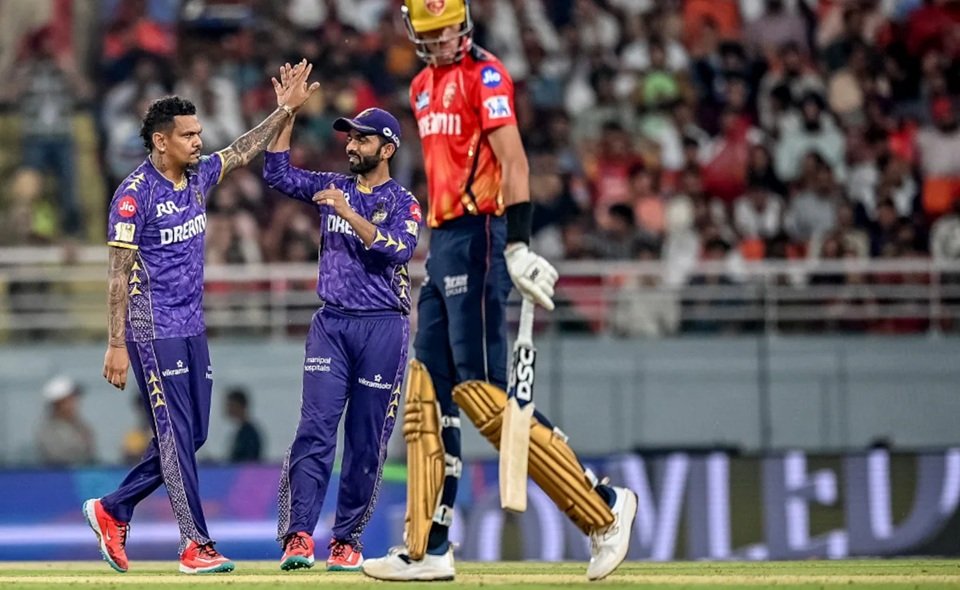

The IPL is built on volatility. Small grounds, short formats, aggressive lineups, and rapid shifts in momentum make outcomes harder to forecast than in most cricket leagues. Yet fans often approach matches with strong convictions. They rely on past performance, star power, and surface-level narratives to guess what might happen next. When a weaker team wins, or when a match swings in a single over, those predictions collapse.
The issue is not that fans lack knowledge. It is that human intuition struggles with events shaped by rapid variance. Probabilities may point one way, but the IPL’s structure rewards disruption. An underdog can flip a match with a burst of sixes or two quick wickets. A favorite can collapse under pressure. Fans underestimate how often these swings occur, so they misread what probability actually means in cricket’s shortest mainstream format.
IPL upsets do more than surprise viewers. They reshape how people understand form, momentum, and prediction itself. They expose the gap between what feels likely and what the numbers truly say.
Why Fans Misread Probabilities in a Format Built on Swings
Fans often treat probability as a prediction rather than a range of possible outcomes. When a team is labeled “70% likely to win,” many interpret it as a guarantee. But probability does not promise anything. It only describes how outcomes cluster over many matches, not what will happen in one chaotic chase on a small ground with dew, pressure, and two set batters.
Several forces contribute to this misunderstanding:
1. People Overvalue Star Power
A team with a marquee batter or a legendary finisher feels safer, even when the matchup conditions reduce their advantage. Fans assume talent overrides variance. In T20 cricket, it rarely does.
2. Narratives Outweigh Numbers
Fans love stories—comebacks, rivalries, redemption arcs. These narratives skew expectations. When the story feels strong, the probability feels irrelevant.
3. Recent Results Distort Judgment
A single explosive innings or a standout bowling spell shapes memory more strongly than long-term stats. Fans lean heavily on what happened last week, not what usually happens.
4. People Struggle With the Idea of “Likely but Not Certain”
If a team wins many matches, fans expect the streak to continue.
If a team loses often, fans expect failure.
But probability does not follow emotion. It follows structure.
5. The IPL Magnifies Small Edges
One dropped catch, one poor over, or one misread matchup can flip an entire game. Fans underestimate how often these tiny moments occur.
6. Live Reactions Reinforce Instant Assumptions
Social platforms turn every over into a judgment.
Viewers react to micro-moments—one boundary, one wicket—as if they define the match.
Even neutral hubs built for fast reactions, such as a desi live online interface, reflect how people follow events: moment by moment, not probabilistically.
These habits lead fans to treat IPL matches as predictable when they’re not. The league rewards volatility. Probability accounts for that volatility.
Human intuition often ignores it.
How Upsets Reshape the Way Fans Interpret Data
Upsets force fans to confront the limits of intuition. When a lower-ranked team beats a favorite, people look back at the numbers and wonder what they missed. The truth is rarely hidden—it is simply undervalued. IPL data often hints at volatility long before an upset occurs, but fans overlook signals that do not fit the story they expect.
Several patterns stand out:
1. Small Margins Create Big Surprises
T20 cricket compresses opportunity.
A single over worth 18 runs can erase an hour of control.
A single wicket can flip the pressure instantly.
Fans often interpret these moments as extraordinary, even though they are frequent in IPL conditions.
2. Context Matters More Than Reputation
A star batter facing a fresh pitch under lights performs differently than a star batter chasing a heavy total in heat and humidity.
Matchups—left-arm swing, wrist spin, death overs—matter more than household names.
Probability models account for this nuance; intuition rarely does.
3. Upsets Expose Hidden Matchup Weaknesses
Some teams struggle against spin-heavy attacks.
Some crumble when chasing under pressure.
Some mismanage resources in tight games.
When an upset happens, these patterns become obvious—but fans often see them only in hindsight.
4. Fans Overestimate “Momentum”
A team winning three matches in a row feels unbeatable.
But those results may hinge on toss luck, dropped catches, or beneficial matchups.
Probability models adjust only slightly; fans adjust dramatically.
5. Upsets Teach That Probability Is Not Prediction
A 70% probability still allows for a 30% outcome.
In a league with over a hundred matches, that 30% appears often.
Fans treat it as shocking, even though it is baked into the numbers.
By looking at upsets carefully, viewers learn how probability actually behaves.
They stop expecting certainty and start noticing the quiet signals—conditions, matchups, pitch shifts—that shape the match long before the big moment arrives.
The Role of Overconfidence: Why Fans Trust Their Gut More Than the Numbers
Even when data is clear, fans often place more faith in instinct. They trust what feels right over what probability suggests. This overconfidence shapes how predictions are made, shared, and defended—especially in a format as chaotic as the IPL.
Several psychological patterns drive this behavior:
1. Familiarity Bias Makes Strong Teams Seem Invincible
Fans see the same franchises lifting trophies, reaching playoffs, or producing iconic players.
This creates a mental shortcut: familiar success = future success.
Probability may show narrower margins, but familiarity creates an illusion of dominance.
2. Fans Overrate “Momentum” and Underrate Variance
A team on a winning streak feels safe.
A team on a losing streak feels doomed.
But T20 results are noisy.
Momentum effects exist, but not as strongly as fans assume.
3. The Human Brain Prefers Stories Over Stats
A narrative—“this is their comeback season,” “the captain is in form,” “the opener loves this pitch”—feels more compelling than a dataset.
Stories create confidence even when numbers contradict them.
4. Recency Bias Distorts Probabilities
If a player smashed 80* yesterday, fans assume they will perform again today.
Short-term memory outweighs long-term performance in the fan mind.
5. Social Validation Strengthens Wrong Assumptions
Group chats, trending hashtags, and broadcast commentary reinforce shared views.
When everyone agrees that Team A should win, fans feel certain—even if the probability suggests a balanced matchup.
6. Upsets Feel Rare, Even When They’re Common
Because upsets are emotional, fans treat them as exceptions.
But IPL history is full of underdogs beating favorites.
The league rewards boldness, not stability.
Overconfidence blinds fans to probability.
Upsets expose that blind spot.
They remind viewers that expectation and likelihood are different things, and that gut instinct often misreads how volatile the IPL actually is.
How IPL History Creates False Expectations: Patterns Fans Believe That Don’t Actually Exist
IPL viewers love patterns. They search for them in scorecards, commentary, pitch reports, and past seasons. The problem is simple: many of the “patterns” fans trust are not patterns at all. They are coincidences shaped by memory, emotion, and selective attention.
Here is where false expectations take root:
1. “This Ground Always Favors Chasing” — Until It Doesn’t
Fans treat venues as fixed identities.
If a stadium produced several successful chases in a row, they assume it will always behave that way.
But pitch conditions change across weeks, weather shifts, and team strategies evolve.
The ground does not promise anything.
2. “Player X Loves Playing Against This Team”
A batter with two strong knocks against a franchise becomes labeled a “specialist” against them.
Yet two or three innings contain too little data to justify certainty.
Opposition lineups change. Bowlers adjust lengths. Toss outcomes matter.
Fans remember the highlight reel, not the sample size.
3. “Teams That Start Strong Finish Strong”
Many believe early table leaders maintain momentum throughout the season.
But IPL history shows frequent mid-season collapses and late surges.
The points table reflects form now, not form later.
4. “This Team Never Wins in Pressure Matches”
A franchise with a few playoff losses gets branded “chokers.”
This label sticks even if later squads have new captains, coaches, and cores.
The myth survives longer than the roster.
5. Small Streaks Become Grand Narratives
Two wins become a “run.”
Three losses become a “crisis.”
The human brain magnifies short-term events into long-term predictions.
6. Fans Expect Predictability in a Format Built on Chaos
T20 creates sharp swings—quick wickets, rapid run bursts, overturned momentum.
IPL adds crowd pressure, dew, travel, match-ups, and immense player depth.
It is designed to be unpredictable.
Yet fans want patterns to exist, so they invent them.
These false expectations help explain why IPL upsets feel shocking. The upset breaks a narrative that never matched reality in the first place. It exposes the gap between belief and probability.
Cognitive Biases at Play: Why Fans Misjudge Probability, Momentum, and “Certain Wins”
When fans predict IPL outcomes, they rarely think in terms of real probability.
They think in shortcuts—mental habits that feel accurate but distort judgment.
These shortcuts create confidence in predictions that are far less certain than they appear.
Below are the biases most responsible for misleading IPL expectations.
1. Confirmation Bias: Seeing Only What Supports Your View
Fans often decide the outcome before the match begins.
After that, they filter information:
- A favorite player’s boundary confirms he is “in form.”
- A dot ball is ignored.
- A bowler’s poor over becomes “just warming up.”
Once a belief forms, the brain hunts for proof and discards contradictions.
2. Recency Bias: Assuming the Last Match Defines the Next One
A team that just scored 200+ is treated as unstoppable.
A batter who scored a duck is written off for the week.
IPL performance can swing night to night, but recency bias convinces fans the last result is the “true” one.
3. Gambler’s Fallacy: Expecting Balance in Random Events
Fans think:
- “He’s due for a big inning.”
- “This team can’t lose four in a row.”
- “A wicket has to fall soon.”
T20 outcomes don’t follow emotional logic.
A player is not “owed” runs.
A team is not “guaranteed” a comeback.
Each ball is independent of the previous one.
4. Overconfidence Bias: Trusting Gut Feel Over Probability
Fans often overrate their ability to “read the game.”
A few correct predictions strengthen the illusion.
As confidence grows, accuracy does not.
People mistake experience for foresight.
5. Narrative Bias: Turning Randomness Into a Story
Humans dislike randomness.
So the brain creates stories:
- “This season is scripted for Team X.”
- “This player is unstoppable in chases.”
- “Momentum is everything.”
These stories feel true because they are coherent—not because they are reliable.
6. Anchoring Bias: Clinging to Preseason Predictions
If a franchise was labeled a strong contender in March, many fans refuse to adjust expectations even after weeks of weak play.
Early judgments anchor later views—even when evidence changes.
Why These Biases Matter
These biases create the illusion of certainty.
When the upset arrives, fans feel blindsided—not because the outcome was impossible, but because biases made it seem impossible.
The brain seeks order.
The IPL supplies chaos.
The clash produces shock.
The Role of Key Match Moments: How a Single Over Reshapes Perceived Probability
In T20 cricket, perception shifts fast.
Fans often treat a match as stable until a single moment snaps the balance and rewrites expectations.
These moments feel dramatic because they deliver clear, sudden changes that the brain interprets as turning points—even when the underlying probability curve shifts more gradually.
Below are the moments that most distort how viewers judge the likelihood of a win.
1. A Breakthrough Wicket That Feels Bigger Than It Is
A star batter’s dismissal triggers a psychological shock.
Fans often assume the innings will collapse immediately.
In reality, one wicket may change win probability only slightly, depending on the bench strength and overs left.
But the emotional weight of a high-profile wicket makes the shift feel much larger.
2. A 20-Run Over That Creates Illusion of Momentum
When a batting side explodes for a 20-run over, viewers often think the match has flipped.
But T20 totals fluctuate sharply.
Win predictors usually adjust, but not as dramatically as fans expect.
People confuse volatility with inevitability.
3. A Bowler’s Double Strike That Sends Predictions Spiraling
Two wickets in one over create a powerful narrative:
“The bowler has taken control.”
Fans overestimate how long the dominance will last.
T20 reality: one poor ball can undo an entire over’s advantage.
4. A Missed Catch That Feels Like Destiny Shifting
A dropped catch carries emotional weight out of proportion to its statistical effect.
Fans treat it as a sign that “luck is with the batting side.”
In truth, most models adjust only modestly unless the missed batter is already well set.
The moment is dramatic, but the math stays steady.
5. A Surprise Cameo That Breaks All Predictions
Late-innings cameos—10-ball 30s, unexpected six-hitting—make fans believe the game has entered a new phase where probability no longer applies.
What’s actually happening is simple:
Short formats amplify variance.
What feels miraculous is routine volatility.
Why Fans Misread These Moments
Fans rely heavily on salient events—things that stand out visually or emotionally.
But actual match probability shifts depend on dozens of inputs, many subtle:
- Run rate requirements
- Wicket consumption
- Match-ups
- Overs remaining
- Boundary frequency
When emotions spike, nuance disappears.
What remains is the illusion of a sudden swing.
The Crowd Effect: Why Collective Excitement Skews Individual Judgement
Crowds amplify emotion.
A moment that feels sharp on TV becomes overwhelming inside a stadium.
Even viewers at home absorb this energy through reactions, commentary tone, and rapid social-media chatter.
This shared emotional surge affects how people read probability, often pushing them toward confident but inaccurate predictions.
1. Noise Levels Create a False Sense of Certainty
When a crowd erupts after a six or a wicket, the reaction feels like confirmation that momentum has shifted decisively.
But acoustics do not equal advantage.
A loud stadium reflects excitement, not statistics.
Still, the human brain mistakes volume for validation.
2. Social Contagion Turns Guesswork Into Consensus
Fans near each other echo the same predictions:
“Match is done.”
“They can’t lose from here.”
“He’ll finish it in three balls.”
This shared confidence spreads quickly, forming a collective illusion of certainty.
Individuals stop thinking independently because the group’s confidence feels safer than personal reasoning.
3. Commentary Tone Drives Emotional Overreaction
Broadcasters use dramatic framing to hold attention.
Lines like “Game on!” or “This changes everything!” tilt viewers toward extreme interpretations.
The commentary exaggerates statistical shifts to make moments feel bigger.
Fans absorb the tone more than the numbers.
4. Social Media Accelerates Panic and Euphoria
Platforms like X and Instagram create real-time emotional loops.
A single viral clip—one six, one dropped catch—can convince millions that momentum has flipped.
Trends form faster than the match evolves.
Fans begin predicting outcomes based on reactions, not reality.
5. Shared Identity Intensifies Bias
Crowds back their side with emotion first and logic second.
When the home team shows promise, fans overestimate odds of victory.
When danger appears, they assume collapse is imminent.
Group identity narrows focus and magnifies swings between hope and despair.
Why It Matters
Crowd-driven perception affects:
- How viewers interpret match data
- How fans place informal predictions
- How discussions shift online
- How narratives form after the match
The result is a feedback loop:
emotion fuels perception, and perception fuels more emotion.
Anchoring Bias: Why Fans Cling to Pre-Match Narratives Even When the Game Says Otherwise
People form expectations before the first ball is bowled.
Those expectations stick.
Even when the match shifts, many fans continue to read events through their original beliefs.
This mental “anchor” weighs down objective judgement and slows the ability to reassess probability in real time.
1. Star Player Expectation Distorts Early-Game Reading
When a big-name batter walks in, fans assume impact before it happens.
A single boundary feels like proof that the script is unfolding as expected.
If the player struggles, viewers often explain it away as “just settling in,” delaying recognition that conditions or form may not favor them today.
2. Pre-Match Analysis Creates Overconfidence
Panels, preview shows, and algorithmic predictions shape expectations hours before the toss.
Once these ideas settle, fans interpret early overs through that lens.
A favorite side losing two early wickets should signal danger, yet many cling to the belief that “they’ll recover” because the anchor remains fixed.
3. Fan Loyalty Strengthens the Anchor
Supporters of a franchise like CSK or MI enter every season expecting competence.
This expectation lingers even during poor spells.
Fans underestimate risk because loyalty softens critical judgement.
4. Early Overs Carry Too Much Weight
A strong powerplay or a weak start often becomes the anchor for the entire match.
Yet IPL games swing repeatedly, especially in high-chase environments.
Even so, fans struggle to detach from the first impression.
5. Highlights Packages Reinforce the Bias
Most highlight reels open with the biggest moments.
These early events become the anchor point for casual fans who didn’t watch the full match.
Their probability assessment relies on edited sequences, not context.
Anchoring bias doesn’t just distort predictions—
it shapes conversations, reactions, and the narratives that dominate post-match debates.
Recency Bias: Why Fans Overvalue the Most Recent IPL Performances
Fans often treat the latest match as a crystal ball.
A single explosive inning or a sudden collapse feels larger than it truly is.
This recency bias pushes people to project short-term events far into the future, leading to misplaced confidence or unnecessary panic.
1. Hot Streaks Get Exaggerated
If a batter hits two strong knocks back-to-back, many fans assume the streak will continue indefinitely.
They forget how much IPL performance varies by pitch, bowling attack, and match conditions.
A brief run of form becomes a false signal of long-term dominance.
2. Cold Streaks Get Misread as Permanent Decline
When a top-order player endures a few low scores, people often jump to conclusions.
They frame it as a “downward phase” instead of what it usually is—
a normal fluctuation in a long tournament with volatile dynamics.
3. Recent Team Failures Distort Future Projections
A strong team that has one poor match gets undervalued in fan discussions.
Supporters assume the slump reflects a bigger structural issue.
But in a league defined by momentum swings, one bad day rarely signals decay.
4. Bowlers Are Judged Harshly on Small Samples
One expensive over can completely reshape public perception.
Fans overlook the context—death overs, small boundaries, dew, or matchup risks.
The latest memory becomes the only memory.
5. Media Narratives Amplify the Effect
Commentators often spotlight recent stats because they appear more “relevant.”
This magnifies recency bias for casual viewers, especially during live broadcasts when emotions run high.
Recency bias pushes fans to treat the temporary as permanent, clouding their ability to read matches with clarity.
Availability Heuristic: Why Rare IPL Events Feel More Common Than They Are
Fans don’t judge probabilities by logic.
They judge them by memory—specifically, the most vivid memories.
This mental shortcut is called the availability heuristic, and it shapes how supporters evaluate everything from last-ball chases to hat-trick odds.
1. Dramatic Finishes Get Overweighted
A single last-over miracle can stick in a fan’s mind for years.
Because it’s so memorable, it feels more common than it truly is.
People start expecting dramatic finishes even though most matches don’t end that way.
2. Rare Individual Feats Seem “Due”
Events like:
- a 100-meter six,
- a hat-trick,
- a fifty in under 20 balls,
- or a powerplay collapse
stay fresh in memory and distort expectations.
Fans begin predicting these events simply because they remember them, not because they’re statistically likely.
3. Upset Narratives Stick Longer Than Routine Wins
A bottom-table team beating a top contender becomes a talking point for weeks.
Because it’s replayed, discussed, and celebrated, supporters start believing upsets happen more often than they do.
This shapes unreasonable predictions the next time the teams meet.
4. Social Media Intensifies the Bias
Clips of outrageous catches, improbable run-outs, or freak moments spread fast.
Because fans see these highlights so often, they assume such moments are part of every match.
The memory becomes louder than the math.
5. Availability Heuristic Blurs Actual Probabilities
When fans base predictions on memories instead of data, their sense of risk distorts.
They expect sensational outcomes and underestimate the stability of average performance.
Why Misread Probabilities Shape IPL Predictions Year After Year
Fans don’t misjudge IPL probabilities because they lack interest or intelligence.
They misjudge them because memory feels more convincing than math.
A last-ball six, an underdog upset, or a viral highlight clip carries emotional weight.
It imprints itself deeper than run-rate charts or long-term averages.
As a result, supporters start predicting futures based on a handful of vivid moments rather than the full landscape of data.
The cycle repeats every season:
- A rare event happens.
- It spreads across news feeds and social media.
- Fans absorb it, recall it instantly, and expect it again.
- Predictions drift away from actual probability.
Understanding this doesn’t take away from the drama of cricket—it heightens it.
Recognizing why our minds latch onto certain moments helps explain why expectations swing so wildly after each improbable win or highlight reel play.
The more we distinguish emotion from evidence, the clearer IPL probabilities become.
Yet the charm of the league lies in how easily it makes even rational fans believe the unbelievable.
Read More:-